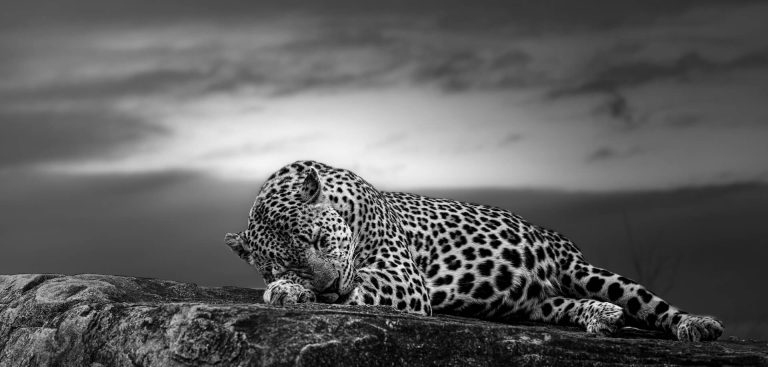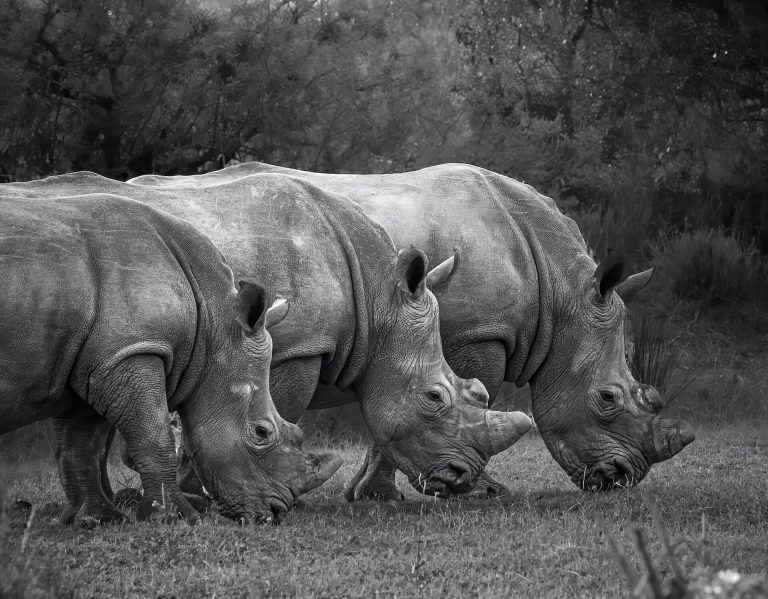
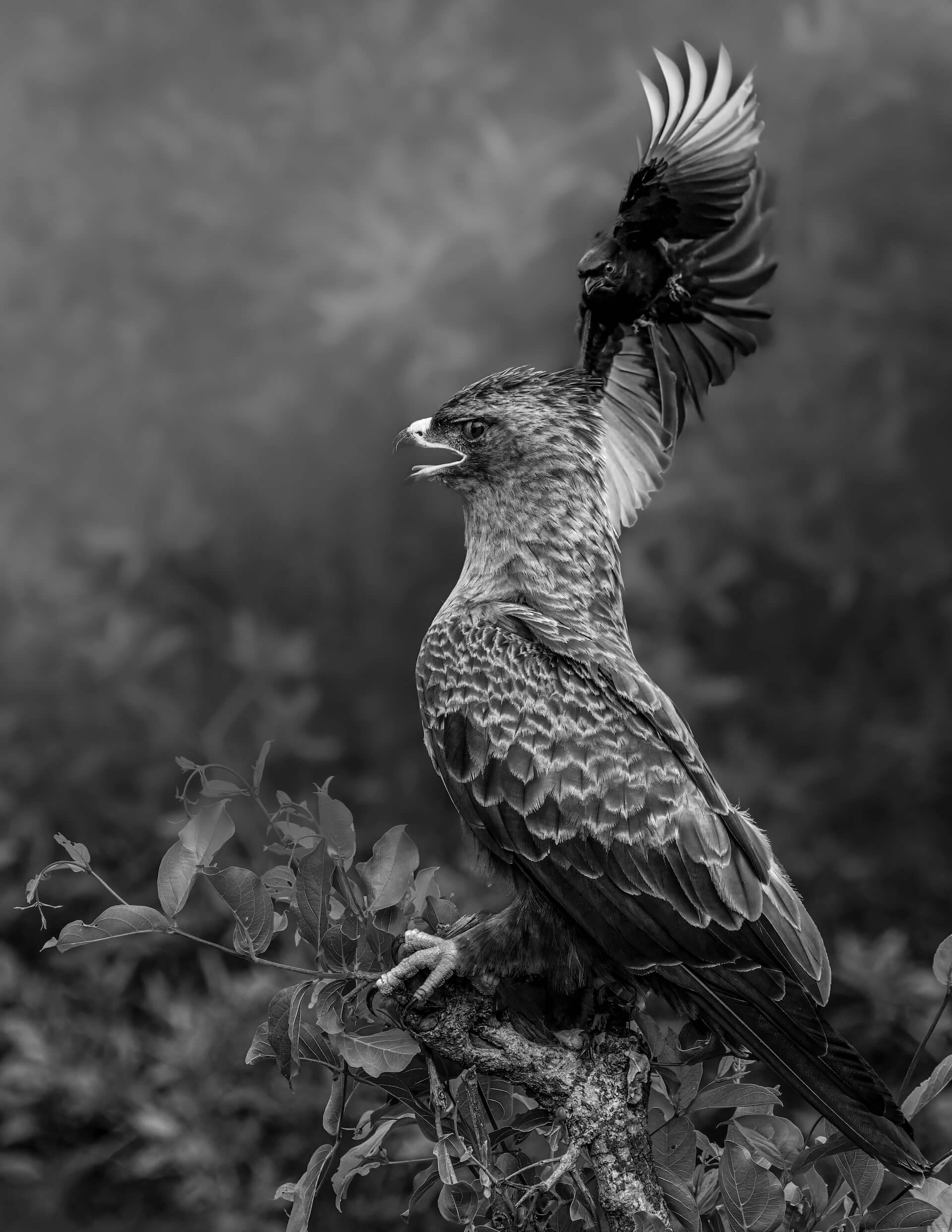
At Forsyth Imagery, some of the most important work in wildlife photography happens long before the shutter is ever pressed. It happens in observation, quietly reading behaviour, interpreting movement, and understanding the language of the wild.
Wild animals are constantly communicating, not with words, but with posture, distance, sound, and subtle shifts in attention. A turn of the head, a pause in movement, or the way a group positions itself can reveal far more than what is immediately visible. Learning to recognise these patterns is what allows a photographer to anticipate moments rather than chase them.
Understanding behaviour changes everything about how an image is created. Instead of reacting to what is happening, you begin to predict what is about to happen. A predator’s focus, a herd’s tension, or a bird’s pre-flight stillness all signal brief windows where something meaningful may unfold. Being ready for those moments comes from patience and experience, not luck.
This awareness also reinforces respect. When you understand how easily behaviour can be disrupted, you become far more conscious of your presence. Distance is maintained, movement is reduced, and time spent in an area is guided by the comfort of the subject rather than the desire for a photograph.
Much of wildlife photography is about restraint. The best images are often the result of choosing not to interfere. Observing without influencing allows animals to remain completely natural, ensuring that what is captured is authentic and unaltered.
Over time, reading the wild becomes instinctive. You begin to see patterns in behaviour across different species and environments. This knowledge doesn’t just improve your photography, it deepens your connection to the natural world itself.
In the end, understanding animal behaviour is not just a skill. It is a way of working that shapes everything. Timing, composition, ethics, and storytelling. It is what turns photography into something quieter, more respectful, and far more meaningful, an honest reflection of life in the wild as it truly is.